 By Leo Macapagal, PTRP
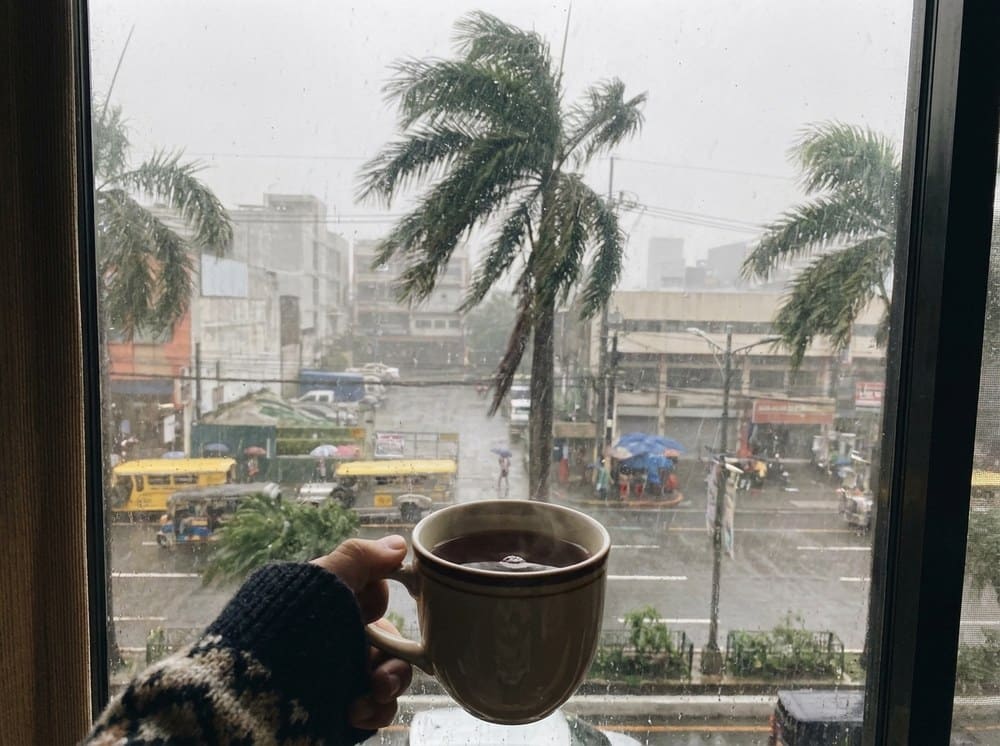
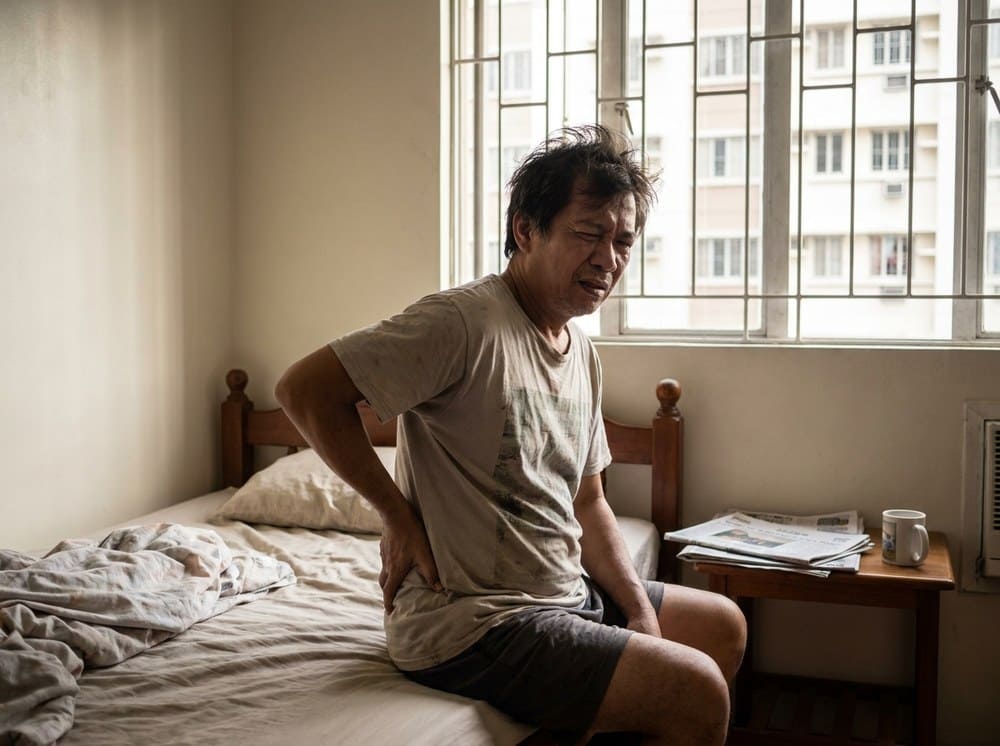
Every year around late June, just as habagat season kicks in, we get a wave of patients with the same story. "I was fine for months, pero parang biglang bumalik lahat when the rains started." Lolo's arthritic knees, tita's frozen shoulder, the 40-year-old's recurring lower back — all seem to cluster around the same weeks. Is it all in our heads? Mostly no.
What the science actually says about weather and pain
For decades, doctors dismissed weather-related pain as folk belief. Recent studies have been kinder. While the picture is still incomplete, several mechanisms appear to hold up:
Barometric pressure drops
When a low-pressure system (including typhoons) moves in, atmospheric pressure drops. Inside your joints, the tissues expand very slightly in response — enough to irritate already inflamed or degenerated structures. For patients with arthritis or past injury, this small change can be the difference between a quiet joint and a noisy one.
Humidity and temperature changes
High humidity plus slightly cooler temperatures (relative to our hot dry season) can stiffen connective tissue and reduce joint fluid mobility. Your ligaments and fascia simply do not glide as well, which you feel as stiffness and ache.
Activity levels plummet
This is the one people underestimate. During rainy season we walk less, go to the gym less, take fewer weekend trips. A lot of what feels like "weather pain" is actually "deconditioning pain" — a week of sitting on the sofa watching Netflix during typhoon signal number 2 is more than enough to start stiffening up.
Sleep and mood disruption
Gray, rainy days shift mood and sleep patterns. Both are pain amplifiers. Research consistently shows the same pain signal feels worse when you are sleep-deprived or mildly depressed.
Who is most affected by rainy season flares?
In our clinic experience, the patients who flare most reliably are:
- Adults over 50 with osteoarthritis of the knees, hips, or hands.
- Anyone with a past joint injury or surgery — old ACL reconstructions, meniscus repairs, shoulder fixations.
- Patients with chronic lower back pain — especially those whose back issues relate to disc degeneration.
- People with inflammatory conditions like rheumatoid arthritis (separate mechanism, but weather can still trigger flares).
- Fibromyalgia and chronic pain patients — whose nervous systems are already amplified (see our chronic pain article).
Healthy young adults with no prior injuries rarely feel meaningful weather-related pain. If a healthy 25-year-old is in major pain, weather is not usually the main driver.
The rainy season movement problem
Here is a pattern we see with almost every flared-up patient in July and August. Rain falls, the mall walk gets canceled, the morning brisk-walk around the subdivision gets canceled, the Zumba class at the clubhouse gets canceled. By the third cancellation in a row, you are sitting in the condo for 12 hours a day, looking at your phone, snacking more. Your joints stiffen, your muscles weaken, your mood dips. The pain you are blaming on the weather is really being driven by two weeks of not moving.
Tip from our team
The most evidence-based intervention for weather-related joint pain is the least glamorous one: keep moving. 20 to 30 minutes of light daily activity, even indoors, prevents most of the stiffness buildup that feels like a weather flare. The trick is having a rainy-season plan before you need it.
Bahay moves: 8 exercises you can do in a Manila condo
These cover the bases — mobility, strength, balance — and need no equipment. Do any 4 to 5 of them for 15 to 20 minutes a day. Bahala ka kung morning, lunch break, or before dinner.
1. Cat-camel (spine mobility)
On hands and knees. Slowly round your back toward the ceiling (camel), then slowly arch it down (cat). 10 slow reps. Gold for stiff backs.
2. Sit-to-stands (quad and glute strength)
From your dining chair, stand up and sit down 10 to 15 times. No hands if you can. This is the single best exercise for keeping your knees happy through rainy season — it maintains the strength that cushions the joint.
3. Wall push-ups (shoulder and chest)
Stand two feet from a wall, hands flat on the wall, do 10 to 15 "push-ups" against the wall. Easier than floor push-ups, builds shoulder stability.
4. Marching in place (cardio)
March for 2 minutes while you watch the news. Knees up, arms swinging. Gets your heart rate up without needing the subdivision to not be flooded.
5. Side-lying leg lifts (hip strength)
Lie on your side, lift the top leg straight up about 45 degrees, lower slowly. 10 per side. Great for knee pain prevention — strong hip abductors unload the knee joint.
6. Standing calf raises (ankle and calf)
Hold a counter or wall, rise onto your toes, lower slowly. 15 reps. Keeps the Achilles supple — a common ache when the weather turns.
7. Thoracic doorway openers (upper back)
Stand in a doorway, hands at shoulder height on the frame. Step gently forward. Feel the chest open, the upper back extend. Hold 30 seconds. Counters all the weather-driven slouching on the sofa.
8. Gentle walk around the condo hallway
Sounds silly but works. A 10-minute loop of the hallway on your floor, done twice a day, maintains circulation and mood better than most people realize. Plus you bump into your neighbors for a minute of chika.
Hot showers, heat packs, and other rainy-season allies
For muscular and arthritic stiffness, heat is your friend through the rainy months:
- A warm shower in the morning (before joints get going) eases stiffness by 20 to 30 minutes in most OA patients.
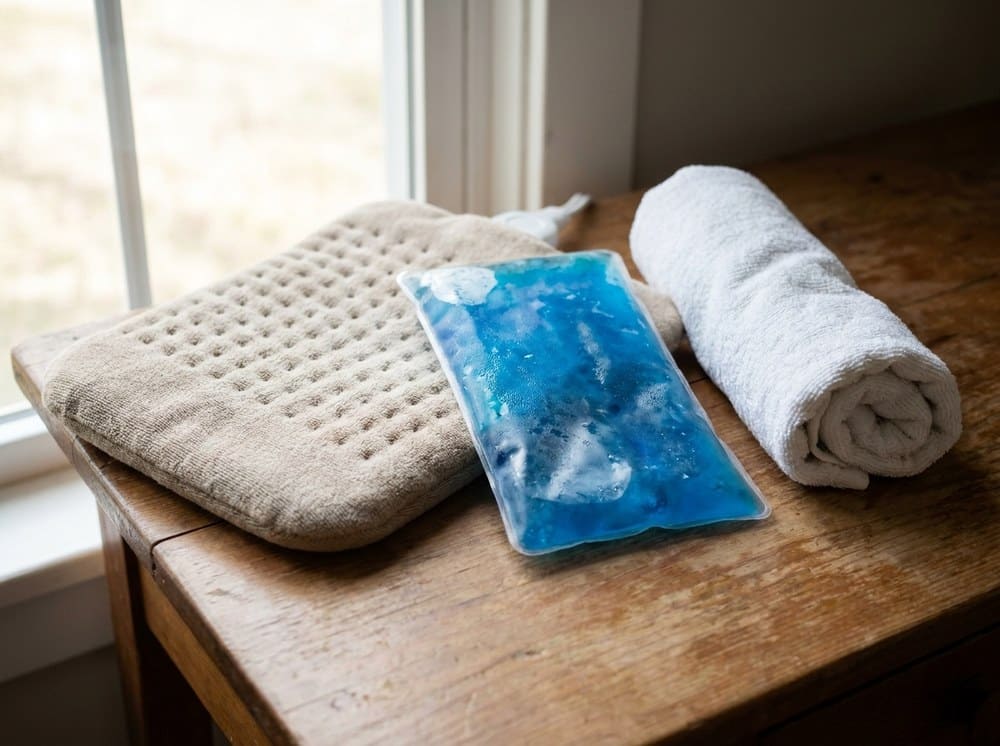
- A hot water bottle or wheat pack on a stiff back or knee for 15 minutes, twice a day, during flares.
- A gentle hilot from someone you trust (not a deep "bone-cracker") can help with muscular tension — but not a substitute for movement.
- A dehumidifier or strong AC can make a real difference if condo humidity is making tendons feel sticky.
For a deeper dive on when heat is actually the right choice, see our heat vs ice guide.
When to reach out for help
A 2 to 3 day flare that responds to movement, heat, and rest is normal. Reach out to a physiotherapist or doctor if:
- A flare lasts more than 2 weeks without easing.
- Swelling, warmth, and redness appear in a joint that was previously quiet.
- Night pain that wakes you up repeatedly (a red flag regardless of season).
- New numbness, tingling, or weakness.
- You are having to skip work or normal activities because of the pain.
For knee-specific flares, our knee and arthritis care program has a protocol specifically for patients whose OA acts up in the wet months — we move up the frequency of sessions during June to September for regulars, because prevention is easier than rescue.
The bigger picture: rainy season as an annual rehearsal
Here is the reframe that helps our long-term patients. Instead of treating rainy season as "the time my pain comes back," treat it as the year's annual stress test. It reveals exactly which parts of your routine — movement, sleep, stress, posture — are doing the invisible work of keeping pain quiet. When those slip (as they do during typhoon weeks), pain returns. When they are restored, pain fades.
Pro tip: keep a simple "rainy season routine" written on your fridge. Morning hot shower. 20 minutes of bahay exercises. Hallway walk after lunch. Stretch before bed. Four bullet points. Most of our patients who beat the August flare do so with a plan this simple, followed consistently.
A final note on lolo and lola
If there is an older adult in your home whose pain flares every rainy season, the single best gift you can give them is company during movement. A 15-minute walk around the lobby together, an exercise video done side by side, a weekly FaceTime during their home exercises. Older patients are far less likely to skip their routines when they are shared. It is simple, cheap, and has better outcomes than any pill we can offer.
Rainy season making your joints miserable?
Book a free 20-minute assessment. We will build you a rainy-season plan you can actually stick to, whether you come to the clinic or we set it up for home.
Book Assessment Call +63 917 428 6391