 By Fely Santiago, PTRP (Geriatric)
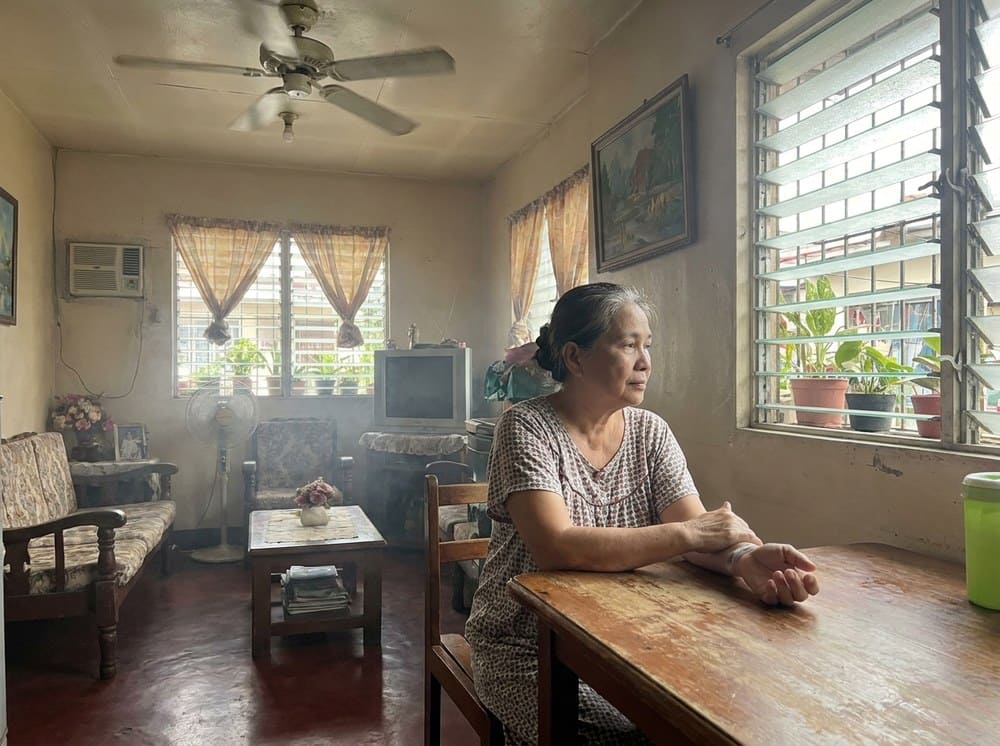
When I tell a new patient — usually someone's lolo or tita — that they have arthritis, the reaction is almost always the same: "Ay, parang lahat naman ng matanda may arthritis." Partly true, partly dangerous. Yes, wear-and-tear arthritis is common. But "arthritis" covers more than a hundred different conditions, and some of them need fast, specialist care that physiotherapy alone cannot provide. Getting the right diagnosis early is what separates "managing it comfortably" from "losing ten years of mobility." This guide is a plain-Filipino-English look at what to do if you are 50 or older and your joints have started complaining.
The two kinds that matter most for Filipinos 50+
Of the 100+ types of arthritis, two account for the vast majority of what we see at the clinic. They look similar at first glance but are entirely different diseases.
Osteoarthritis (OA): the wear-and-tear kind
The cartilage — smooth rubbery tissue that cushions the ends of your bones — thins over time. By 60, most Filipinos have some OA visible on an X-ray, but not everyone has symptoms. OA usually:
- Affects knees, hips, hands (especially thumb base), and the spine
- Gets worse with use (after a long day on your feet) and better with rest
- Is not symmetrical — one knee is usually worse than the other
- Causes stiffness in the morning that eases within 30 minutes
OA responds beautifully to a combination of physiotherapy, weight management, and lifestyle tweaks. Surgery is a last resort.
Rheumatoid arthritis (RA): the autoimmune kind
The body's immune system mistakenly attacks the lining of joints. RA is less common (roughly 0.5–1% of adults) but much more serious if untreated. RA typically:
- Affects smaller joints first — fingers, wrists, toes
- Is symmetrical — both hands, both feet
- Causes morning stiffness lasting over an hour
- Is accompanied by fatigue, low fever, or a general "off" feeling
RA needs a rheumatologist, not just a physiotherapist. Disease-modifying drugs (DMARDs and biologics) can halt joint damage if started early. At MotionPath, we coordinate closely with rheumatologists at Makati Med and St. Luke's BGC — PT supports RA care, but it is never a substitute for proper medical management.
How arthritis is diagnosed in the Philippines
The standard path most Filipinos walk when they start feeling joint pain looks like this:
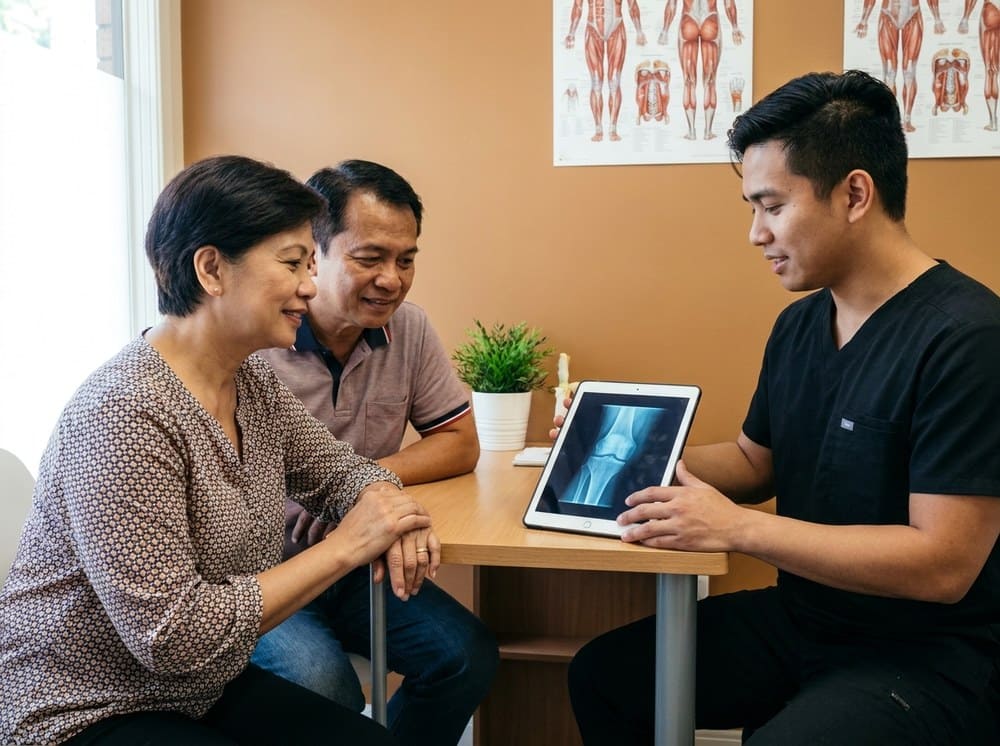
Step 1: Your family GP. They will take a history, examine the joints, and usually order an X-ray and basic blood work (CBC, ESR, CRP, and sometimes rheumatoid factor or anti-CCP if RA is suspected). This is typically HMO-covered.
Step 2: Specialist referral. If RA, gout, or a more complex autoimmune picture is suspected, you will be referred to a rheumatologist. For clear knee or hip OA, you may skip straight to an orthopedic surgeon or — better in our view — a physiotherapist first.
Step 3: Imaging beyond X-ray. MRI is occasionally needed, especially if surgery is being considered. Most HMOs cover MRI only with a specialist's written request.
Step 4: Treatment plan. This is where things diverge dramatically depending on diagnosis.
Tip from our team
Bring a clear list of symptoms to your first appointment: which joints hurt, when (morning? night? after activity?), how long the stiffness lasts, whether there is swelling or warmth, and any family history of arthritis. A five-minute list saves forty minutes of back-and-forth and helps the doctor (and us) zero in on the right tests.
What HMOs typically cover (and do not)
Every HMO is different, but across the major Philippine providers — Maxicare, Medicard, Intellicare, PhilCare — the pattern is roughly:
Usually covered: GP and specialist consultations, basic blood work, X-rays, short-course NSAIDs prescribed by your doctor, and often a limited number of physiotherapy sessions per year (commonly 6 to 20 depending on your plan).
Often partially covered: MRI scans (usually need specialist justification), biologic medications for RA (often with co-pay), joint injections like hyaluronic acid.
Usually NOT covered: Long-term OTC supplements, unlimited PT sessions, home-based therapy visits, custom orthotics beyond basic inserts, and cosmetic or wellness treatments.
At MotionPath we are accredited with most major HMOs. Bring your card and we will handle the Letter of Authorization request for you. For a deeper breakdown of when it is worth engaging a PT directly versus going through your HMO's preferred provider, read our guide on when to see a physiotherapist rather than just your GP.
Why Manila's climate complicates arthritis care
Tropical humidity does not cause arthritis, but it changes how patients experience it. We see three consistent patterns in our Makati clinic:
Flare-ups during habagat season. Barometric pressure drops before heavy rain, and joints with thin cartilage or active inflammation often feel worse. This is real, not imagined. We explore this in detail in managing joint pain in humid Manila.
Reduced outdoor activity. Rainy season in Manila means weeks of unplanned indoor time. Movement drops, joints stiffen, and pain worsens. The solution is not to wait for sunshine — it is to have a reliable indoor routine ready.
Air-conditioning versus outdoor heat. Rapid temperature swings from an air-conditioned car to sweltering street heat stress connective tissue. Arthritic patients often feel this as a sudden "tightening" of affected joints.
What experience has taught us: arthritis management in the tropics is 70% consistency and 30% medication. The patients who do best are not the ones on the fanciest drugs — they are the ones who move every day, even in the rain.
Treatment options that actually help
Over-the-counter supplements, heating pads, Voltaren gel — Filipinos have tried them all. Some help, some do not. Here is the honest hierarchy from our clinical experience:
Proven strongly effective: Progressive strengthening exercise, weight management, hands-on physiotherapy, and — for RA specifically — early DMARD therapy. These are the foundations.
Moderately helpful for some: NSAIDs for short-term flares, hyaluronic acid injections for moderate knee OA, topical capsaicin cream, supervised aquatic therapy.
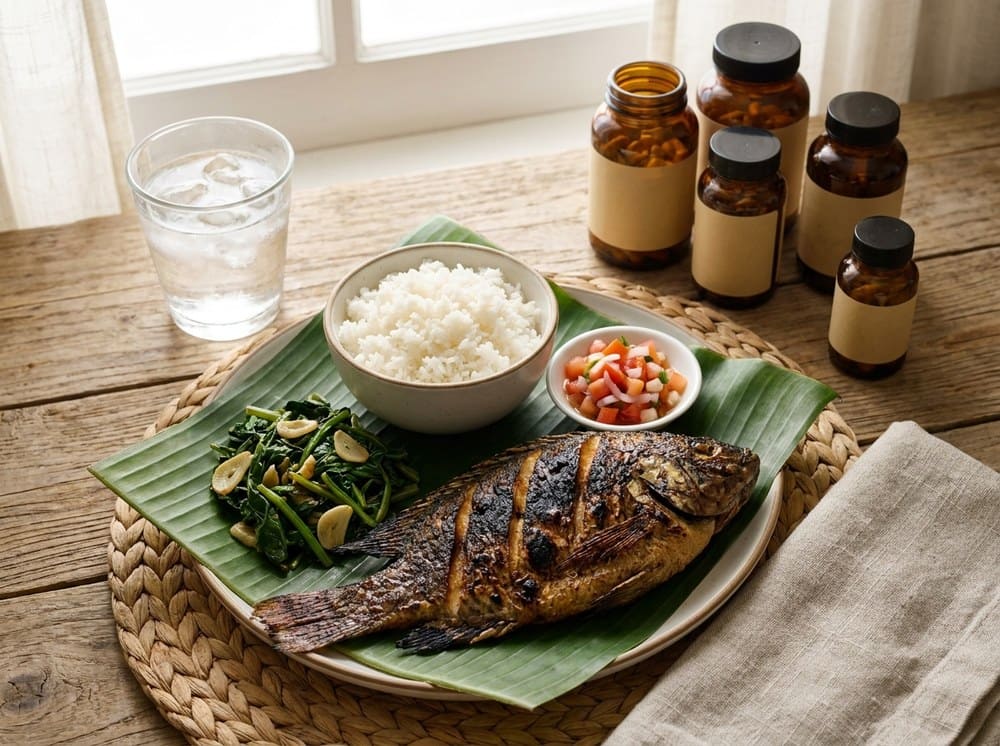
Weak or mixed evidence: Glucosamine, chondroitin, collagen supplements, MSM. We cover these honestly in our evidence review on joint supplements vs physiotherapy.
Reserved for severe cases: Joint replacement surgery (knee or hip) followed by structured rehabilitation through our post-surgery rehab program.
The mindset shift most Filipinos over 50 need
Arthritis is not something you "fight off" with one trip to the doctor. It is a long-term companion you learn to manage. The patients who thrive are the ones who accept that early — who build a sustainable routine of movement, eat a little better, sleep a little more, and let their body tell them when to rest.
Our senior mobility program is built precisely for this: twice-weekly sessions, individualized progression, close HMO coordination, and an emphasis on what matters most — walking to the grocery store, carrying an apo, standing for a full Sunday mass without dreading the last ten minutes.
Whatever your starting point, come in for an honest assessment. We will tell you what is osteoarthritis, what might be something else, and what the realistic next step looks like. There is no shortcut — but there is almost always more function available than people think.